Your wellness program offers gym membership reimbursement, a meditation app subscription, and health insurance copay reductions. Employee engagement with these benefits is variable. Something more tangible, usable, and visible is increasingly the differentiator for companies competing for talent on benefits quality.
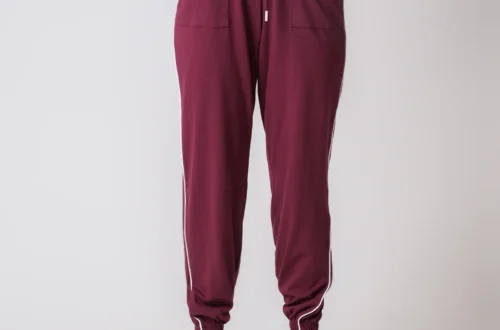
GOTS-certified organic activewear checks every box that wellness benefit managers are looking for.
What’s Wrong With Generic Wellness Perks
The standard corporate wellness benefit menu has a utilization problem. Gym memberships go unused. Mental health apps get downloaded once. Wellness stipends get spent on things that don’t move the needle on actual employee health outcomes.
The gap is between benefits that employees are supposed to value and benefits that employees actually use and appreciate. A wellness benefit that people physically wear every day to work out is a benefit that generates daily value and daily visibility.
Organic activewear as a wellness benefit solves the utilization problem by being inherently functional and personal. You can’t forget to use underwear.
The best wellness benefits are the ones employees use before breakfast.
Why Sustainable Activewear Aligns With Evolving Workforce Values
The workforce demographics most coveted by employers — men and women in their late 20s through early 40s — have measurably higher sustainability values than older workforce cohorts. They make purchasing decisions that reflect environmental and health values. They evaluate employers on corporate sustainability commitments.
Offering GOTS-certified organic activewear as a wellness benefit communicates company values in a tangible way that a sustainability report or an office composting program doesn’t. It delivers a product the employee uses daily while demonstrating alignment with the values they hold.
For companies with explicit sustainability commitments, aligning employee wellness benefits with those commitments creates internal consistency that employees notice.
The Business Case for Sustainable Activewear Benefits
Health ROI
Reducing daily chemical exposure from clothing is a legitimate health intervention for the same reasons organic food programs are legitimate health interventions: consistent low-level reduction in endocrine-disrupting chemical inputs supports better hormonal health and reduced inflammation.
Employees with better hormonal health have better energy regulation, sleep quality, and cognitive performance. These aren’t speculative outcomes — they follow from the well-established research on endocrine disruptor effects on these health parameters.
Tangible Value Visibility
A GOTS-certified organic cotton shirts for men wellness gift is visible, daily-use, and premium. The employee sees the employer’s wellness investment every morning when they put it on. This visibility is more impactful than equivalent value delivered through a subscription that runs in the background.
Gender-Neutral Appeal With Specific Male Targeting
Male employees are historically the hardest to engage with wellness programs. Benefits that require behavior change — dietary programs, meditation, therapy — face resistance from male employees who don’t identify wellness as part of their self-concept.
Activewear is different. It’s gear. Men engage with gear. A GOTS-certified organic training shirt and boxer briefs delivered as a wellness benefit is a gear purchase, not a wellness program. The framing matters for male employee engagement.
Sustainability Reporting Integration
Sustainable activewear benefits can be reported as part of a company’s ESG sustainability metrics. Companies with sustainability reporting requirements can account for wellness benefits that reduce employee chemical exposure and support sustainable supply chains.
Implementation Options for Corporate Wellness Programs
Annual wellness gift: A curated set of GOTS-certified underwear and training shirts delivered annually to each employee. This is the simplest implementation with the highest per-employee impact.
Wellness allowance with preferred vendor list: Provide a wellness allowance amount and include GOTS-certified organic activewear brands on the approved vendor list. Employees have choice while the benefit is steered toward high-quality options.
New hire onboarding kit: Organic activewear as part of the new hire onboarding package alongside other company gear. This creates immediate brand association with quality and sustainability values.
Performance recognition reward: Premium organic activewear as a recognition reward for performance milestones. The premium perception of GOTS-certified products makes them effective recognition rewards without the transactional feel of gift cards.
The ROI Argument for Benefits Decision-Makers
Benefits that employees talk about are worth more than their dollar cost. When an employee mentions their company’s wellness benefits in a conversation with a peer at another company — “they gave me this incredible organic training kit” — that conversation is worth more than most recruitment advertising.
Tangible, premium wellness benefits that employees use and appreciate generate organic advocacy that generic benefits don’t.
The activation cost of getting an employee to actually use a wellness benefit is often the hidden cost that makes generic benefits poor investments. Organic activewear has zero activation friction. The employee uses it immediately, daily, and with direct health benefit.
For HR directors evaluating wellness program ROI, this combination — health impact, daily use, employee satisfaction, sustainability alignment — is difficult to replicate with any other benefit category at a comparable cost point.