The couple spent months planning their wedding. They care about every detail. Then they watch their highlight reel and hear a song that’s playing in every wedding video uploaded this year. The emotion they feel watching their footage is undercut by audio that belongs to someone else’s story.
You’re the videographer. You delivered the edit. But the music is doing the opposite of what you intended.
The Music Problem in Wedding Videography
Copyright Claims Kill Distribution
Couples want to share their highlight reel everywhere. YouTube, Instagram, Facebook, TikTok. The moment they use a popular licensed track, automated content ID systems flag the video. In some cases, videos get taken down. In others, monetization goes to the rights holder.
You delivered a beautiful video. The couple can’t share it without restrictions. That’s a client experience problem.
Licensing Doesn’t Solve It
Purchasing a sync license for a popular song solves the copyright issue but adds cost and complexity. The license may not cover all platforms. Prices for popular tracks can exceed $500 per use. And even a licensed version of a well-known song still carries all the existing emotional associations from every other wedding video that’s used the same track.
Stock Music Makes It Generic
Library music is a practical solution to the copyright problem. It’s not a solution to the generic problem. Couples who watch their highlight reel against a stock library track are watching something that could be anyone’s wedding.
The emotional response you worked to create with the visual edit is diluted by audio that doesn’t belong to their story.
Original Music as the Premium Deliverable
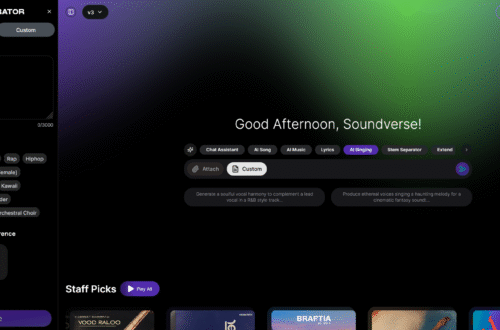
An ai song generator lets you produce original music for each wedding you film. Not a variation of a stock track. Not a popular song with licensing headaches. An original piece composed around the emotional character of that specific couple’s day.
The music isn’t just original — it’s specific. A calm, intimate ceremony at a vineyard gets different music than a high-energy celebration at a ballroom. The emotional register of the couple you filmed comes through in the brief you bring to generation.
No Copyright Complications on Delivery
AI-generated music is original composition. You own it. The couple owns the video. There are no content ID conflicts on YouTube. No platform delivery restrictions. No licensing fees per platform or per year.
You deliver a highlight reel that plays anywhere, forever, without interruption.
Custom Tone for Each Client
Every couple has a different emotional center. Some weddings are joyful and energetic. Some are tender and intimate. Some are sophisticated and understated. An ai music generator generates music to the brief you provide — and the brief can reflect the specific couple’s aesthetic rather than whatever stock library category they might fall into.
When a couple watches their highlight reel and hears music that sounds like it was made for them, they feel it. That’s the reaction you’re after.
Building This Into Your Workflow
Create a music questionnaire for every booking. Alongside your style questionnaire for the visual edit, ask couples to describe the feeling they want the video to create. Three adjectives about their relationship. Music genres they love. Energy level for the reel.
Generate options before the edit. Don’t score the edit last. Generate two or three music options early, before you’ve built the cut, and present them to the couple. Music approval at this stage means no surprises at delivery.
Treat the music as part of the deliverable package. Original music isn’t a free add-on. It’s a premium element of the package that justifies higher rates and differentiates your service.
Frequently Asked Questions
Where do wedding videographers get their music?
Most wedding videographers use one of three sources: stock music libraries (practical for copyright compliance but generic), licensed popular songs (expensive, often restricted per platform, and still carry existing emotional associations), or — increasingly — original AI-generated music that can be composed specifically for each couple’s video. Original generation eliminates copyright complications, works on every platform without restrictions, and produces music that sounds like it was made for that specific wedding rather than sourced from a shared library.
How do people add music to wedding videos and not get sued?
The safest approach is original music — either commissioned from a composer or generated with an AI music studio — because you own the composition and master outright. Popular licensed songs require sync licenses that may not cover all platforms (YouTube, Instagram, TikTok), can cost $500+ per use for recognizable tracks, and still leave couples vulnerable to Content ID claims on platforms not explicitly covered by the license. AI-generated music bypasses all of these complications: no content ID conflicts, no platform restrictions, no annual licensing fees.
Why does music choice matter in wedding videography?
Music is what triggers the emotional response — the same visual edit against different music creates fundamentally different emotional experiences. A well-known song carries all its existing associations from every other context the couple has heard it; original music lets the video create its own emotional relationship. When couples hear music that sounds like it was made for their day, the reaction is qualitatively different from stock music. That reaction is what drives the referrals and the reviews that grow a wedding videography business.
The Referral Argument
Wedding videography is a referral business. Couples who get a highlight reel with original music don’t just share it. They tell people about it. When a friend asks who did their video, they lead with the experience — and “they made custom music for our video” is a memorable detail.
The couples who remember your work most vividly are the ones whose video felt completely personal. Music is a significant part of how personal the video feels.
Original music takes the video from professional to irreplaceable. That’s the difference between a client who says “our videographer did a nice job” and one who says “you need to use our videographer.”