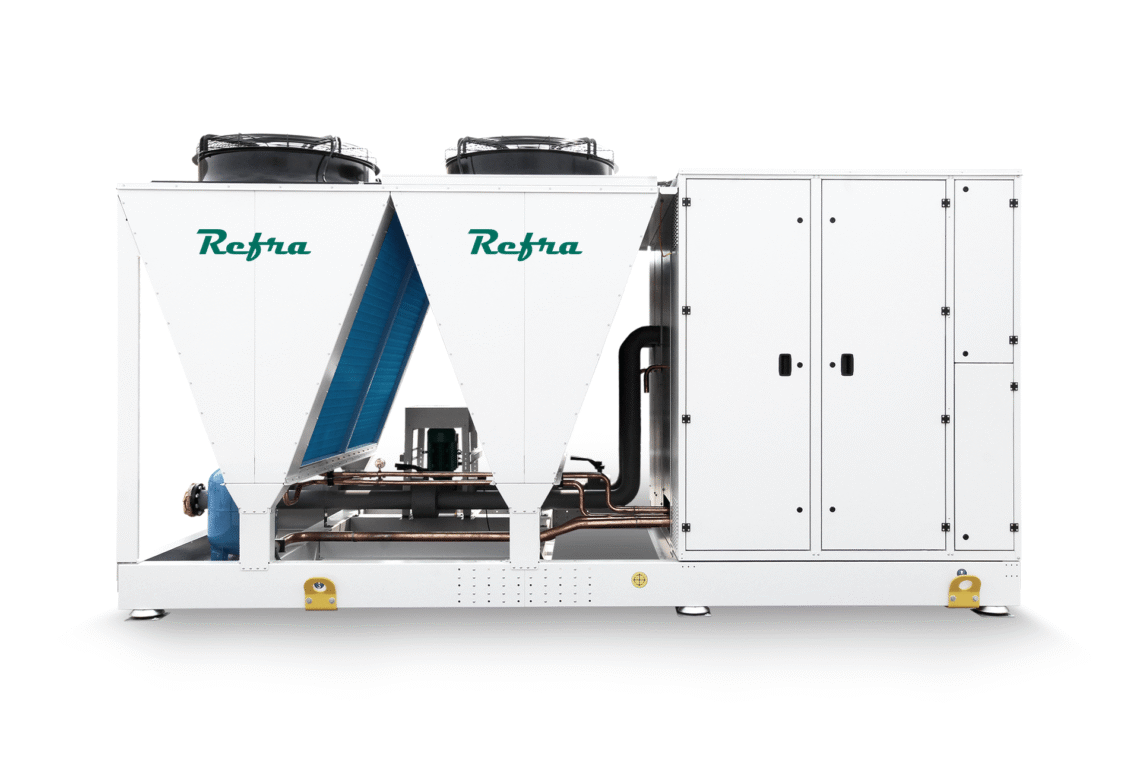
As winter approaches, homeowners and businesses alike start thinking about efficient and reliable heating solutions. The cold months bring not only the challenge of keeping spaces warm but also the concern of energy efficiency and cost-effectiveness. One solution that has been gaining significant attention in recent years is the use of propane heat pumps. These systems offer a combination of comfort, energy savings, and environmental benefits that make winter heating a breeze.
Understanding Propane Heat Pumps
Propane heat pumps are advanced heating and cooling systems that utilize propane as a fuel source to provide warmth during cold seasons and cooling during hot months. Unlike traditional heating systems that rely solely on electricity or fossil fuels, propane heat pumps combine the efficiency of modern heat pump technology with the clean-burning properties of propane. This dual advantage allows homeowners to maintain a comfortable indoor environment without excessively high energy bills.
A key feature of propane heat pumps is their ability to extract heat from the outside air, even in sub-zero temperatures. Through a process called the refrigeration cycle, the system captures ambient heat and transfers it indoors, delivering consistent warmth. This approach not only reduces reliance on conventional heating methods but also minimizes carbon emissions compared to older fuel-based systems.
Benefits of Using Propane Heat Pumps in Winter
Efficient Heating Performance
One of the primary benefits of propane heat pumps is their high efficiency. Traditional electric heaters or furnaces consume a large amount of energy to generate heat, which can result in skyrocketing utility bills during harsh winters. In contrast, propane heat pumps provide more heat per unit of energy used, often achieving efficiency ratings of 90% or higher. This means that a greater portion of the energy consumed directly contributes to heating the space rather than being lost in the process.
Year-Round Comfort
Although these systems are known for their winter performance, propane heat pumps also offer cooling capabilities during the summer months. This dual functionality eliminates the need for separate heating and cooling units, making them a versatile solution for year-round comfort. By using the same system for both heating and cooling, homeowners can simplify their HVAC setup and reduce maintenance costs.
Lower Environmental Impact
Propane is considered a cleaner-burning fuel compared to other fossil fuels such as oil or coal. When used in heat pumps, it produces fewer greenhouse gases and pollutants, contributing to a healthier indoor and outdoor environment. As more households and businesses seek sustainable energy options, propane heat pumps provide an eco-friendly alternative without sacrificing comfort or performance.
Cost Savings
While the initial investment in a propane heat pump may be higher than conventional systems, the long-term savings often outweigh the upfront costs. The high efficiency of propane heat pumps reduces energy consumption, leading to lower monthly utility bills. Additionally, many regions offer incentives and rebates for installing energy-efficient heating systems, further offsetting the initial expenditure.
Reliable Performance in Extreme Cold
A common concern with heat pump technology is its performance in extremely cold climates. Traditional electric heat pumps can struggle to extract sufficient heat from freezing outdoor air, resulting in supplemental heating needs. Propane heat pumps, however, are specifically designed to operate effectively in low temperatures. The use of propane ensures consistent heating even during severe winter weather, providing peace of mind to homeowners in colder regions.
Installation Considerations
Installing a propane heat pump requires careful planning and professional expertise. Proper sizing of the system is crucial to ensure optimal performance. An undersized unit may struggle to maintain comfortable temperatures, while an oversized system can lead to inefficiency and increased wear. Homeowners should work with certified HVAC professionals to assess their heating and cooling needs, taking into account factors such as home size, insulation, and local climate conditions.
Additionally, propane supply lines and storage tanks need to be safely installed and regularly maintained. Modern systems are designed with safety features and monitoring technologies to prevent leaks and ensure reliable operation. Regular maintenance, such as cleaning filters, checking refrigerant levels, and inspecting mechanical components, is essential to prolong the life of the system and maintain peak efficiency.
Smart Home Integration
Many propane heat pumps now come equipped with smart technology features, allowing homeowners to control their heating and cooling remotely. Smart thermostats, mobile apps, and energy monitoring tools enable users to adjust temperatures, schedule heating cycles, and track energy usage from anywhere. This integration not only enhances convenience but also helps optimize energy efficiency by providing real-time insights into system performance.
Choosing the Right Propane Heat Pump
Selecting the right propane heat pump involves evaluating several factors. First, the system’s heating capacity should match the size of the space to be heated. A professional energy assessment can determine the appropriate BTU rating needed for effective winter comfort.
Next, energy efficiency ratings, such as the Heating Seasonal Performance Factor (HSPF), provide insight into the system’s overall performance. Higher ratings indicate better efficiency and lower operational costs. Homeowners should also consider additional features like variable-speed compressors, noise reduction technology, and compatibility with existing ductwork or zoning systems.
Maintenance Tips for Longevity
Proper maintenance is essential to ensure that a propane heat pump continues to operate efficiently for years. Some key tips include:
- Regularly cleaning or replacing air filters to maintain airflow and prevent strain on the system.
- Inspecting the outdoor unit for debris, snow, or ice that could impede performance.
- Scheduling annual professional maintenance to check refrigerant levels, inspect electrical components, and lubricate moving parts.
- Monitoring propane supply and storage tanks to ensure uninterrupted operation throughout the winter months.
By following these practices, homeowners can maximize the lifespan of their propane heat pump while maintaining consistent winter comfort.
Conclusion
Winter comfort doesn’t have to come at the expense of high energy bills or environmental impact. Propane heat pumps offer an innovative solution that combines efficiency, reliability, and eco-friendliness. With their ability to provide consistent warmth in extreme cold, support for year-round climate control, and integration with smart home technologies, they represent a modern approach to home heating.
Investing in a propane heat pump is not just about staying warm—it’s about embracing a system that saves energy, reduces emissions, and delivers peace of mind during the coldest months of the year. Whether for a cozy home or a larger commercial space, propane heat pumps make winter comfort easy, efficient, and sustainable.
With proper installation, smart usage, and regular maintenance, these systems ensure that even the harshest winter days remain comfortable, keeping homes and businesses warm while promoting a cleaner, more sustainable energy future.