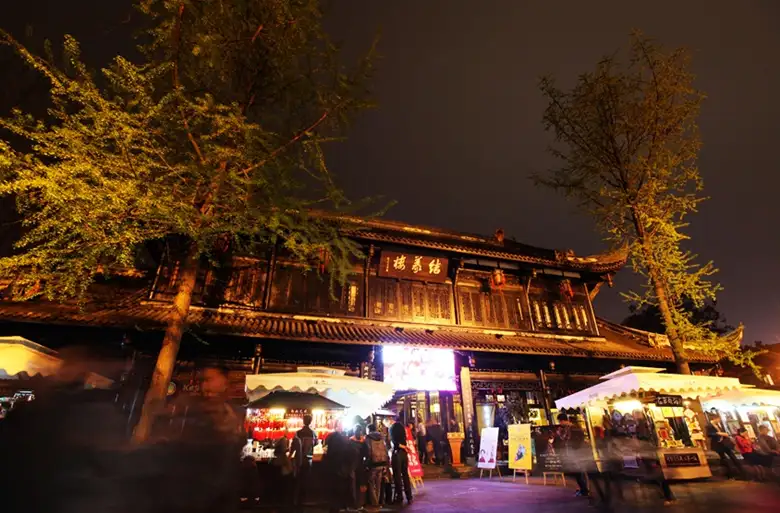
Chengdu, the capital of Sichuan province, has earned global fame not only as a cultural hub but also as a gastronomic paradise. Travelers from around the world flock to this vibrant city, eager to experience its bold flavors, rich history, and lively street food culture. A comprehensive Chengdu food and travel guide reveals that the city’s culinary fame is more than just a reputation—it is an art form that reflects the region’s history, climate, and local ingredients. From sizzling hotpots to delicate snacks, Chengdu offers an unparalleled journey for food enthusiasts.
The Roots of Chengdu’s Culinary Identity
Understanding why Chengdu is renowned for its cuisine begins with its history. As an ancient city, Chengdu has been a central hub for trade and culture for over 2,000 years. The city’s location in the fertile Sichuan Basin allowed it to cultivate a wide variety of spices, herbs, and vegetables, which became foundational to its culinary style. Sichuan cuisine, the backbone of Chengdu’s food scene, is known for its bold use of chili peppers, Sichuan peppercorns, and garlic. These ingredients create a unique combination of heat and numbing flavors called mala, a hallmark of the region.
The climate in Chengdu also played a role in shaping its food. With its humid, subtropical environment, locals historically relied on preserved foods, pickles, and spicy seasonings to ward off dampness and enhance flavor. Over generations, these practical solutions evolved into complex cooking techniques and recipes that now define the city’s culinary identity. For anyone using a Chengdu food and travel guide, understanding these historical and environmental influences offers deeper appreciation for every dish encountered.
Signature Dishes That Define Chengdu
Chengdu’s culinary scene is best explored through its iconic dishes. No Chengdu food and travel guide is complete without highlighting the city’s must-try meals. One of the most famous is the Sichuan hotpot, a communal dining experience where diners cook fresh ingredients in a bubbling, spicy broth. The combination of chili oil, fermented bean paste, and Sichuan peppercorns delivers a sensory experience that is both fiery and numbing, a flavor profile unique to Chengdu.
Mapo tofu is another staple, featuring soft tofu in a rich, spicy sauce made with ground pork, fermented beans, and chili. Its vibrant colors and layered flavors demonstrate the city’s mastery of balancing heat, spice, and umami. Dan dan noodles, a street food favorite, combine minced meat, preserved vegetables, and a sesame-based sauce with just the right amount of chili to make every bite unforgettable.
Chengdu also shines in snack culture. Street markets offer delicate bites like guokui, crispy flatbreads stuffed with savory fillings, and xiaolongbao, delicate steamed buns with flavorful fillings. These snacks not only provide quick culinary satisfaction but also serve as windows into the everyday lives and tastes of locals, adding richness to any Chengdu food and travel guide.
The Art of Flavor and Cooking Techniques
What sets Chengdu apart is its emphasis on culinary craftsmanship. Chefs in Chengdu are highly skilled in techniques like stir-frying, steaming, braising, and smoking, often using these methods to bring out the complex interplay of flavors in a single dish. The signature mala flavor is not just about spiciness; it is the result of precise balance between heat, aroma, and texture. This intricate approach to flavor has earned Sichuan cuisine, and by extension Chengdu, recognition as one of China’s eight great culinary traditions.
Fermentation also plays a critical role in the city’s unique taste. Ingredients like broad bean paste, soy sauce, and pickled vegetables add depth and umami to dishes, creating a balance between spicy, salty, sour, and sweet notes. Understanding these techniques is essential for anyone exploring Chengdu’s food scene, as it explains why even seemingly simple dishes can deliver a profoundly complex taste experience.
Food Culture and Social Dining
Chengdu’s culinary appeal extends beyond taste—it is deeply social. Meals in Chengdu are often communal, reflecting the city’s philosophy of food as a way to connect people. Hotpots, barbecue skewers, and family-style meals encourage sharing, conversation, and leisurely enjoyment. For travelers following a Chengdu food and travel guide, engaging with local dining customs provides not just a taste of the city, but a glimpse into its culture and way of life.
Tea houses are another cultural staple, offering a space for locals to relax, chat, and enjoy snacks while sipping jasmine or green tea. Visiting a traditional teahouse is an essential experience for anyone wanting to understand the rhythms of Chengdu life. These social hubs exemplify how the city seamlessly blends culinary enjoyment with daily routines, creating a culture where food is central to community and connection.
Markets, Ingredients, and Local Sourcing
A key reason Chengdu’s culinary scene is so vibrant is its access to fresh, high-quality ingredients. Local markets overflow with seasonal vegetables, fresh meats, seafood, and unique spices that form the backbone of Sichuan cuisine. Chefs and home cooks alike rely on these markets to source ingredients that define the flavor of each dish. For travelers, exploring markets like Wuhouci Market or Jinli Old Street provides insight into the diversity and freshness of ingredients, making it an indispensable part of any Chengdu food and travel guide.
Local sourcing also ensures that traditional cooking methods remain alive. For instance, handmade noodles, freshly fermented bean pastes, and locally raised poultry are standard in Chengdu kitchens, preserving authenticity and flavor integrity. This dedication to freshness and quality is a key factor in why Chengdu stands out on the global culinary stage.
Global Recognition and Culinary Tourism
Chengdu’s reputation as a food capital has garnered international recognition. UNESCO even designated Chengdu as a City of Gastronomy in 2010, acknowledging its rich culinary heritage, innovative techniques, and dynamic food culture. This status has made Chengdu a hotspot for culinary tourism, attracting food lovers eager to learn about its traditions, attend cooking classes, and explore street food markets.
Culinary tourism is now an integral part of the city’s identity. Tour operators and guides design experiences that allow visitors to taste, cook, and immerse themselves in the local food culture. A well-crafted Chengdu food and travel guide helps travelers navigate this vibrant scene, highlighting not only the best restaurants but also hidden gems and authentic culinary experiences that reveal the city’s heart.
Conclusion: More Than Just Food
Chengdu’s unique culinary scene is a reflection of its history, geography, and vibrant culture. From fiery hotpots to delicate street snacks, the city offers a rich tapestry of flavors that engage all the senses. Its emphasis on community, craftsmanship, and locally sourced ingredients elevates food beyond mere sustenance, making every meal an experience in culture, connection, and tradition.
For travelers using a Chengdu food and travel guide, the city offers endless opportunities to explore, taste, and learn. Whether sampling street food, dining at a high-end restaurant, or wandering through bustling markets, Chengdu invites visitors into a culinary world unlike any other. Its global reputation is well-earned, as it not only delivers unforgettable flavors but also provides a gateway into the culture and life of one of China’s most dynamic cities.
Chengdu is more than a destination for food lovers—it is a city where culinary artistry, history, and daily life intertwine, creating an experience that is as immersive as it is delicious. A journey through Chengdu’s food scene is a journey into the soul of the city itself.