Retrofitting steam turbines has become an essential strategy for power plants looking to maintain efficiency and reliability while extending the operational life of their equipment. With many aging power plants facing declining performance and rising maintenance costs, a targeted steam turbine island retrofit for aging power plant units offers a cost-effective solution. This guide provides a detailed roadmap for engineers and plant managers to understand, plan, and execute retrofits that enhance performance and reduce downtime.
Understanding Steam Turbine Island Retrofits
A steam turbine island consists of the turbine itself, the generator, associated auxiliary systems, and critical piping and instrumentation. Over time, components in the turbine island experience wear and tear due to high temperature, pressure cycles, and mechanical stress. A steam turbine island retrofit for aging power plant units involves upgrading or replacing these components to improve efficiency, reliability, and compliance with modern environmental standards. Retrofits can range from minor component replacements to complete overhauls, depending on the plant’s requirements.
Assessing the Need for a Retrofit
Before initiating a retrofit project, it is crucial to evaluate the current condition of the turbine island. Common indicators that a retrofit is needed include declining efficiency, increased fuel consumption, frequent unplanned outages, and difficulty in sourcing spare parts for outdated components. Detailed inspections, vibration analysis, thermography, and performance testing help determine which components are most in need of attention. By conducting a thorough assessment, plant operators can prioritize retrofit actions that yield the greatest performance improvements.
Key Components in a Steam Turbine Island Retrofit
The scope of a steam turbine island retrofit for aging power plant units can vary widely, but several key components are commonly addressed:
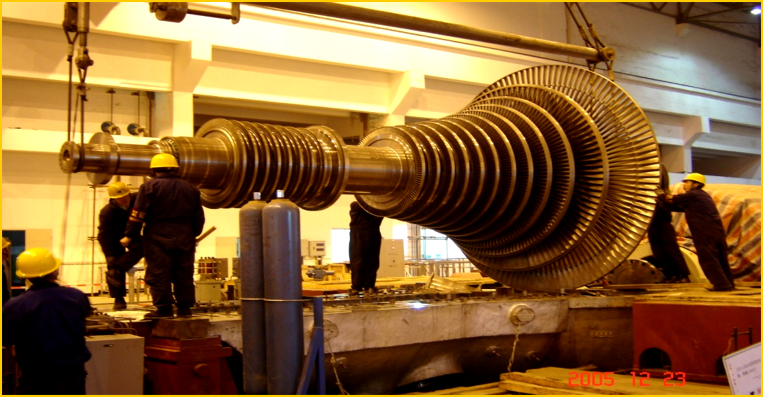
- Turbine Blades and Rotors: Worn or corroded blades reduce efficiency and increase vibration. Retrofitting with new or reprofiled blades can restore aerodynamic performance and improve output.
- Bearings and Seals: Upgrading bearings and seals reduces friction, minimizes leakage, and improves operational stability.
- Steam Path Components: Replacing or refurbishing nozzles, diaphragms, and casings helps optimize steam flow and pressure drops, directly affecting turbine efficiency.
- Generator and Excitation Systems: Modernizing the generator and control systems ensures reliable electricity production and compatibility with grid requirements.
- Auxiliary Systems: Condensers, feedwater heaters, and cooling systems are also upgraded to complement the turbine retrofit and maximize overall plant efficiency.
Planning a Retrofit Project
Effective planning is essential for a successful steam turbine island retrofit. The process begins with defining project goals, such as efficiency improvement, capacity increase, or compliance with emission regulations. Engineering studies, including thermodynamic and mechanical analysis, are conducted to design the retrofit solutions.
A comprehensive retrofit plan includes scheduling, procurement, risk assessment, and cost estimation. Coordination with suppliers and contractors ensures that new components are compatible with existing infrastructure. Minimizing plant downtime during installation is a priority, often requiring meticulous sequencing of tasks and temporary arrangements for continuous power supply.
Execution and Installation
Installation is the most critical phase of a steam turbine island retrofit for aging power plant units. Highly skilled engineers and technicians carry out dismantling, refurbishment, and replacement of components according to the retrofit plan. Precision alignment, balance, and calibration are essential to prevent future mechanical issues. Modern diagnostic tools, such as laser alignment systems and vibration analyzers, ensure that the retrofitted turbine operates within design specifications.
Testing and commissioning follow installation. Performance tests verify improvements in efficiency, output, and operational stability. Any deviations from expected performance are addressed immediately, and control systems are fine-tuned for optimal operation. A successful commissioning process ensures that the retrofit delivers measurable benefits while maintaining plant safety and reliability.
Benefits of Retrofitting Steam Turbines
Retrofitting a steam turbine island for an aging power plant provides several tangible advantages:
- Improved Efficiency: Modernized turbine components optimize steam flow and reduce energy losses, leading to lower fuel consumption.
- Extended Equipment Life: Replacing worn parts and upgrading systems prolongs the operational life of the turbine island.
- Reduced Maintenance Costs: Enhanced reliability decreases the frequency of unplanned outages and associated repair costs.
- Environmental Compliance: Upgraded turbines and auxiliary systems can reduce emissions and meet stricter environmental regulations.
- Increased Capacity: In some cases, retrofits can enable higher output without major investments in new infrastructure.
Selecting the Right Retrofit Approach
Choosing the appropriate retrofit approach depends on the plant’s goals, budget, and the condition of existing equipment. Options range from minor upgrades, such as improved seals or blade modifications, to comprehensive overhauls that include new turbines, generators, and control systems. Consulting with experienced EPC contractors or turbine manufacturers ensures that the retrofit strategy aligns with the plant’s operational and financial objectives.
Challenges and Considerations
While retrofitting steam turbines offers significant benefits, it also presents challenges. Accurate condition assessment is critical to avoid underestimating required work or overinvesting in unnecessary upgrades. Scheduling retrofits without disrupting plant operations can be complex, especially for units that supply critical electricity loads. Additionally, sourcing components for older turbine models may require custom fabrication, which adds to lead times and costs. Proper risk management, contingency planning, and collaboration with suppliers are key to overcoming these challenges.
Future-Proofing Through Modern Technologies
Incorporating advanced technologies into a steam turbine island retrofit can future-proof an aging power plant. Digital monitoring systems, predictive maintenance tools, and advanced control systems improve operational insights and reduce the likelihood of unexpected failures. Retrofitted turbines can also integrate with renewable energy sources or grid management systems, enabling a smoother transition to a more sustainable energy mix.
Conclusion
A steam turbine island retrofit for aging power plant units is a strategic investment that enhances performance, extends operational life, and reduces operational costs. By carefully assessing equipment conditions, planning the retrofit, executing precise installation, and incorporating modern technologies, plant operators can achieve substantial improvements in efficiency, reliability, and environmental compliance. For any aging power plant, investing in a well-executed steam turbine retrofit is not only a practical necessity but a pathway to sustainable and profitable operations for years to come.
This approach ensures that even older plants can remain competitive and reliable in an energy landscape increasingly focused on efficiency and sustainability.