Introduction
In CNC machining, setup time is one of the most important factors influencing daily productivity. A machine can have excellent cutting capability, strong programming support, and skilled operators, yet still lose a large amount of time if the setup process is slow or inconsistent. One of the main reasons this happens is workholding choice.
The vise or fixture used for a job does much more than simply hold the workpiece in place. It influences how quickly the operator can load the part, how easily the position can be verified, and how repeatable the setup will be from one run to the next. When the workholding solution is well matched to the application, setup becomes faster and more controlled. When it is not, delays and unnecessary adjustments become part of the routine.
That is why workholding choice has a direct effect on CNC setup time and on the overall efficiency of the machining process.
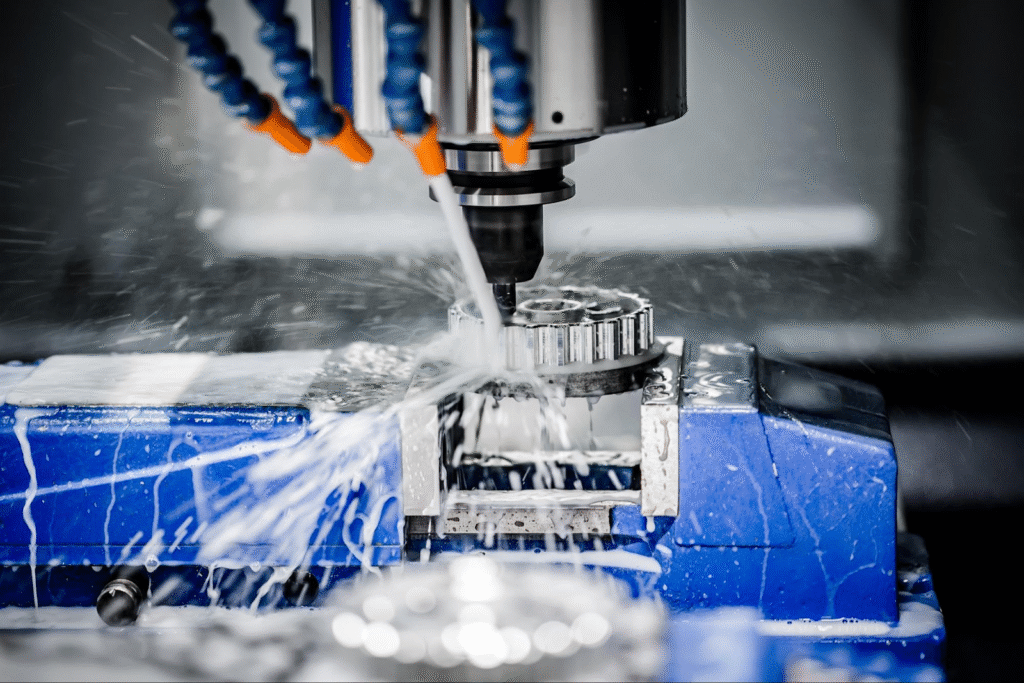
Setup Time Begins with How the Part Is Held
Before machining can begin, the operator must secure the part in a stable position and confirm that the setup is ready for cutting. This stage often includes loading the workpiece, aligning it, checking clamping condition, confirming offsets, and making any necessary corrections. The workholding system influences each of these steps.
If the self centering vise or fixture supports easy loading and predictable positioning, setup moves more smoothly. The operator can complete the process with fewer corrections and greater confidence. If the workholding method is awkward, overly complex, or poorly suited to the part geometry, extra time is required before the machine can run.
This is why setup efficiency depends not only on operator skill but also on how naturally the workholding system supports the task. A better choice at the workholding level often removes delays before they begin.
Poor Workholding Creates Repeated Delays
When workholding is not well chosen, setup problems tend to repeat. The operator may need extra time to center the part, verify seating, correct alignment, or check whether clamping pressure is appropriate. Even if these issues do not always cause visible machining problems, they still slow production.
These repeated delays are especially costly because they are often treated as normal. A few extra minutes on one setup may not seem serious, but when the same inefficiency appears across multiple jobs each day, the total time loss becomes substantial. The machine spends more time waiting, and the operator spends more time solving preventable setup problems.
A better workholding choice reduces this burden by making the setup process more direct and more repeatable. In many shops, one of the fastest ways to improve daily productivity is to eliminate the small setup delays that have become accepted as routine.
The Right Workholding Improves Repeatability
Repeatability is one of the most important reasons workholding choice matters. A setup that can be recreated consistently saves time not only on the current job, but also when the same work returns later. Operators do not need to rediscover the best method each time. They can rely on a proven process.
A repeatable workholding system improves setup time in several ways. It reduces adjustment during loading, lowers the chance of positioning variation, and makes offset verification easier. It also supports stronger process confidence, which means the operator can move into production with less hesitation.
This matters in every type of machining environment, but it is especially valuable in shops that handle frequent repeat jobs or small batches. The less effort required to recreate a stable setup, the more efficiently the shop can use its available machine time.
Different Parts Need Different Workholding Strategies
Not every job benefits from the same type of workholding. A simple prismatic part may be held effectively with a standard vise, while a more delicate or complex component may need a different clamping approach. Problems arise when shops try to use one workholding method for jobs it was not designed to support.
An unsuitable workholding choice often leads to slower setups because the operator must compensate for the mismatch. This may involve extra indicating, custom shimming, trial-and-error loading, or additional verification before cutting begins. In some cases, the setup may work, but only with unnecessary effort.
Choosing workholding based on the actual part, machine, and process requirements helps avoid this situation. A setup that matches the application supports faster preparation and better results. In this sense, workholding choice is not only a tooling decision. It is a process decision.
Setup Time Matters More in High-Mix Production
The effect of workholding choice becomes even more obvious in high-mix production. Many modern vise cnc shops handle a wide range of parts in short runs, which means setups change frequently. In this environment, even small inefficiencies are repeated many times and quickly reduce machine utilization.
A good workholding solution helps shorten each transition. It makes it easier to move from one job to the next without excessive adjustment or uncertainty. This gives the shop more flexibility and helps maintain a steady production flow.
When workholding is poorly chosen in a high-mix environment, the opposite happens. Each changeover becomes slower, and the operator must spend more time resolving setup details that should have been simplified by the fixture itself. Over time, this reduces both capacity and scheduling reliability.
Better Workholding Supports Better Use of Skilled Labor
Setup time is expensive partly because it uses skilled labor. Experienced machinists and operators add the most value when they are controlling the process, solving technical issues, and keeping production moving. If too much of their time is spent managing weak setup methods, that value is reduced.
The right workholding helps use labor more effectively by making setups easier to repeat and easier to trust. It reduces the number of manual corrections required and allows operators to focus more on production quality and less on avoidable setup difficulty.
This is especially important in shops where labor resources are limited. A smarter workholding choice can improve not only machine time, but also how efficiently the team works throughout the day.
Conclusion
Workholding choice directly affects CNC setup time because it shapes how quickly, accurately, and consistently a part can be prepared for machining. A well-matched vise or fixture reduces delays, improves repeatability, and supports a smoother production process from one job to the next.
In daily CNC operations, setup time is too important to leave to habit or convenience. The right workholding solution helps turn setup into a controlled and efficient step rather than a repeated source of waste. For shops looking to improve practical productivity, workholding choice is one of the most important decisions they can make.