Hyperpigmentation is a common skin concern that affects people of all ages and skin types. It occurs when patches of skin become darker than the surrounding areas due to excess melanin production. Factors such as sun exposure, hormonal changes, acne scarring, and certain medications can trigger hyperpigmentation. Among various treatment options, Laser Treatments for Hyperpigmentation have become one of the most effective methods to restore an even skin tone and improve overall skin texture. In this article, we will guide you through what to expect before, during, and after undergoing laser therapy for hyperpigmentation.
Understanding Laser Treatments for Hyperpigmentation
Laser treatments work by targeting the melanin in the skin, breaking it down into smaller particles that the body can naturally eliminate. Different types of lasers, such as Q-switched lasers, fractional lasers, and intense pulsed light (IPL) devices, are used depending on the depth and severity of pigmentation. Each laser type has unique benefits: Q-switched lasers are effective for stubborn dark spots, while fractional lasers improve skin texture and reduce superficial pigmentation. IPL treatments are gentler and ideal for mild discoloration caused by sun damage.
Laser treatments are precise and can target specific pigmented areas without affecting the surrounding skin. Unlike topical creams that require months to show results, laser therapy often delivers visible improvements in fewer sessions.
Preparing for Your Laser Treatment
Before undergoing Laser Treatments for Hyperpigmentation, it is essential to prepare your skin properly. A consultation with a qualified dermatologist or skincare professional is the first step. During this session, your skin type, the cause of pigmentation, and treatment history will be evaluated to determine the most suitable laser method.
Several preparation steps are usually recommended:
- Avoid sun exposure for at least two weeks before treatment. Tanned or sunburned skin can increase the risk of complications.
- Discontinue the use of certain skincare products, especially those containing retinoids, glycolic acid, or hydroquinone, as they can make the skin more sensitive.
- Stop any medications or supplements that may increase photosensitivity, as advised by your doctor.
- Cleanse your face thoroughly on the day of treatment to ensure there is no makeup, lotion, or sunscreen residue.
Following these steps helps minimize side effects and ensures the laser penetrates effectively to treat hyperpigmentation.
What Happens During Laser Treatments for Hyperpigmentation
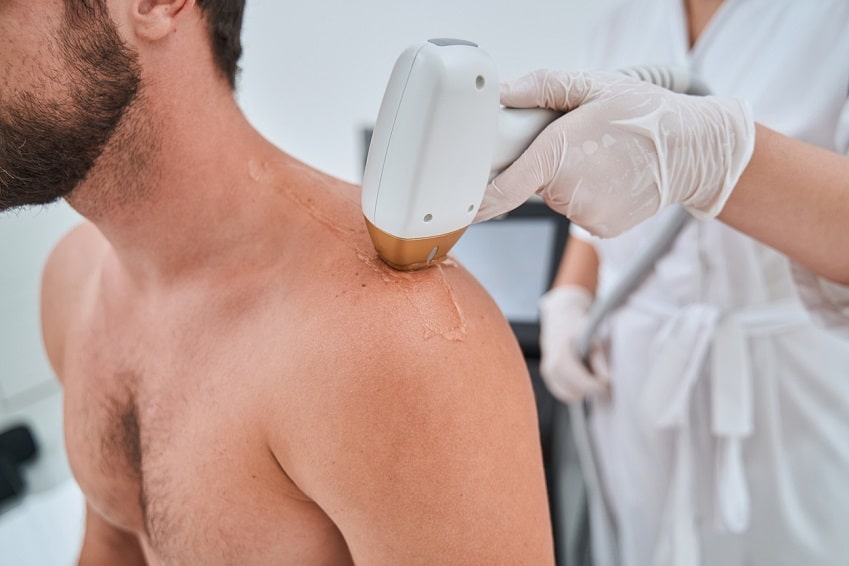
During the treatment session, a trained professional will first apply a cooling gel or numbing cream to reduce discomfort. The laser device is then directed at the pigmented areas, emitting focused light pulses that break down excess melanin. Most patients report a sensation similar to the snap of a rubber band against the skin, which is tolerable for short sessions.
The duration of laser therapy depends on the size and severity of the pigmentation. Small patches may take only 15–30 minutes, while more extensive areas might require longer sessions. Multiple treatments are often necessary for optimal results, with intervals of 4–6 weeks between sessions to allow the skin to heal and regenerate.
It is crucial to follow the practitioner’s instructions during this stage. Proper eye protection is mandatory, and the treatment area must remain clean and untouched to avoid irritation or infection.
Immediate Effects After Laser Treatment
After a Laser Treatments for Hyperpigmentation session, the skin may appear red, swollen, or slightly bruised. This is a normal reaction as the body begins to process and remove the broken-down melanin. Some patients notice a mild darkening of the pigmented spots initially, which is a temporary effect before the skin naturally exfoliates the treated layer.
It is important to avoid scratching or picking at the skin, as this can cause scarring or worsen pigmentation. A gentle cleanser and moisturizer are typically recommended to soothe the area. Over-the-counter pain relief can be used if mild discomfort occurs.
Sun protection is especially critical during this period. The treated skin is highly sensitive, and even brief exposure to UV rays can trigger new pigmentation. Broad-spectrum sunscreen with an SPF of 30 or higher should be applied daily, and physical barriers like hats or scarves are recommended when outdoors.
Long-Term Care and Results
The results of Laser Treatments for Hyperpigmentation can be long-lasting if proper care is taken. Most patients begin to see improvement after one to three sessions, with significant fading of dark spots after multiple treatments. However, maintenance sessions may be required depending on skin type, lifestyle, and sun exposure.
In addition to sun protection, incorporating gentle skincare products with antioxidants, vitamin C, and hydrating ingredients can enhance results and prevent recurrence. Avoiding harsh chemical peels or aggressive scrubbing helps maintain the integrity of the skin barrier.
Patience is key; while some pigmentation may respond quickly, deeper or hormonal-related pigmentation can take several months to show noticeable improvement. Regular follow-ups with your dermatologist ensure any persistent spots are addressed and your skin remains healthy.
Potential Risks and Side Effects
While laser therapy is generally safe, it is not without risks. Potential side effects include temporary redness, swelling, blistering, or changes in skin texture. In rare cases, hypopigmentation (lightening of the skin) or hyperpigmentation (darkening) can occur, particularly if post-treatment care is not followed or the wrong laser is used for your skin type.
Choosing an experienced practitioner is critical to minimize these risks. Proper skin assessment, the correct selection of laser type, and adherence to pre- and post-care instructions significantly reduce complications.
Who Is a Good Candidate for Laser Treatments
Laser treatments are suitable for most adults with hyperpigmentation, including sunspots, melasma, post-inflammatory hyperpigmentation from acne, and age spots. Individuals with darker skin tones may require specific laser types and settings to avoid uneven pigmentation. Pregnant women or people with certain skin conditions should consult their healthcare provider before undergoing treatment.
Conclusion
Laser Treatments for Hyperpigmentation provide an effective and precise method to target and reduce dark spots, revealing clearer, more even-toned skin. By understanding what to expect before, during, and after treatment, patients can approach the procedure with confidence and realistic expectations. Proper preparation, skilled execution, and diligent post-treatment care are essential for achieving optimal results and maintaining healthy skin.
If you are struggling with persistent hyperp
