Modern bedrooms are becoming more than places to sleep. They are increasingly designed as comfortable, connected spaces where technology can support relaxation, organization, and daily routines. From adjustable lighting to wireless charging devices, smart products are finding their way into everyday bedroom environments. Among these innovations, the smart sleep clock is becoming a useful addition for people who want a more organized and comfortable nighttime experience.
Unlike a traditional alarm clock that simply displays the time and rings at a preset hour, a smart sleep clock can combine several helpful functions in one compact device. Depending on the model, it may provide customizable alarms, gradual wake-up lighting, sleep-related features, ambient sounds, weather information, and other smart functions. This combination makes it particularly suitable for modern bedrooms where convenience and atmosphere are equally important.
The Evolution of the Traditional Alarm Clock
Traditional alarm clocks have served a simple purpose for decades: displaying the current time and waking users at a chosen hour. While that basic function remains useful, modern lifestyles have created demand for more flexible solutions. People often want technology that can help them transition into sleep, wake up gradually, and reduce unnecessary distractions.
A smart sleep clock builds upon the familiar alarm clock concept by adding intelligent features. Instead of relying on a loud alarm alone, some devices can use light, sound, or gradual changes to create a gentler waking experience. Others can provide information without requiring users to reach for their smartphones.
This evolution reflects a broader movement toward technology that works quietly in the background. Rather than demanding constant attention, bedroom technology can be designed to support routines while maintaining a calm environment.
Helping Create a More Relaxing Bedroom
The atmosphere of a bedroom can have a major influence on how comfortable the space feels at night. Bright smartphone screens, notifications, and other digital distractions can make it difficult for people to establish a consistent bedtime routine. A smart sleep clock can offer an alternative by providing useful information without requiring a phone to remain beside the bed.
Many smart clocks feature adjustable displays that can be dimmed during nighttime hours. Some also incorporate soft lighting or ambient sound options. These features can help create an environment that feels more peaceful before bedtime.
For users who enjoy listening to calming sounds, certain models may offer nature sounds, white noise, or other audio options. Instead of using a smartphone for these functions, a dedicated device can keep the experience centered around the bedroom without encouraging additional screen time.
A More Comfortable Way to Wake Up
One of the most appealing aspects of a smart sleep clock is its potential to make mornings more comfortable. Traditional alarms often rely on sudden, loud sounds that can feel disruptive. A smart device may provide alternative approaches to waking.
For example, gradual light can simulate a natural sunrise by slowly increasing brightness before the scheduled wake-up time. The idea is to create a smoother transition from sleep to wakefulness. Some devices can combine this lighting with gentle audio, allowing users to customize their preferred morning routine.
Customizable alarms are also useful for households with different schedules. Users may be able to create separate weekday and weekend alarms, adjust sound levels, or select different wake-up experiences depending on their routine.
Reducing Smartphone Dependence at Night
Smartphones are convenient, but keeping one beside the bed can introduce distractions. Incoming notifications, social media, messages, and other applications can encourage people to check their screens when they should be winding down.
A smart sleep clock can replace some of the functions that people normally use their phones for at night. Checking the time, setting an alarm, listening to relaxing sounds, or viewing simple information can potentially be handled through a dedicated bedroom device.
This does not mean smartphones need to disappear from the bedroom completely. Instead, a smart sleep clock can provide a practical reason to leave the phone untouched during the final part of the evening.
Useful Information Without Unnecessary Complexity
Modern smart devices are often designed around convenience. A smart sleep clock can display information such as the current time, alarm status, or other selected data in an easy-to-access format.
Some advanced models may connect with smart home ecosystems, allowing them to interact with compatible lights, speakers, or other connected devices. This can make the bedroom part of a larger smart-home environment.
However, simplicity remains important. Bedroom technology should not require complicated interaction every time someone wants to check the time or change an alarm. A good design balances smart functionality with straightforward controls.
Supporting Consistent Daily Routines
Consistency is an important part of maintaining an organized lifestyle. A regular sleep and wake schedule can help people structure their evenings and mornings more effectively. While a smart sleep clock cannot guarantee better sleep, it can serve as a practical tool for building consistent routines.
Users can establish specific bedtime and wake-up habits around their device. For example, a gradual light sequence might signal that it is time to prepare for sleep, while a gentle morning alarm can indicate the start of the day.
Families may also find these features useful. Parents can use scheduled alarms or visual cues to help children develop predictable morning and evening routines.
A Stylish Addition to Modern Bedroom Décor
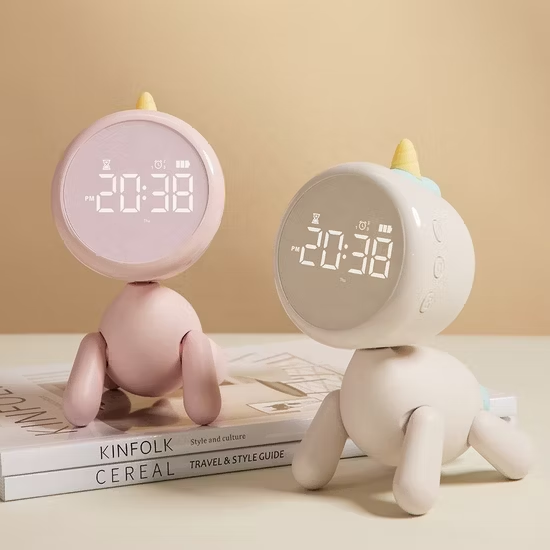
Technology no longer has to look out of place in a bedroom. Many modern smart clocks are designed with compact shapes, clean interfaces, attractive displays, and minimalist aesthetics.
Because the device typically remains on a bedside table, its appearance can be almost as important as its functionality. A well-designed smart sleep clock can complement contemporary furniture and décor rather than appearing like an outdated electronic accessory.
Pixel displays, soft illumination, customizable interfaces, and modern finishes can also make these devices visually interesting. This allows technology to become part of the room’s design while still serving a practical purpose.
Choosing the Right Smart Sleep Clock
When selecting a smart sleep clock, consumers should consider which features actually fit their lifestyle. A basic model may be ideal for someone who primarily wants customizable alarms and a clear display. Others may prefer advanced features such as sunrise simulation, ambient sounds, wireless connectivity, or smart-home integration.
Display brightness is especially important because excessive light can be distracting at night. Adjustable brightness and automatic dimming can make a device more comfortable for nighttime use.
Sound quality, alarm customization, controls, connectivity, and overall design are also worth considering. Users should look for a product that provides useful functions without adding unnecessary complexity.
Why This Technology Is Gaining Attention
The growing interest in smart bedroom products reflects changing expectations about personal technology. Consumers increasingly want devices that save time, reduce friction, and fit naturally into everyday routines.
A smart sleep clock brings several functions together in a single bedside product. It can act as a clock, alarm, ambient device, information display, and potentially part of a connected home system. This multifunctional approach makes it more relevant than the conventional alarm clock for many modern users.
At the same time, the best bedroom technology is often technology that does not demand constant attention. A smart sleep clock can remain quietly on a bedside table, providing useful assistance when needed and staying unobtrusive when it is not.
The Future of Smarter Sleep Spaces
As smart-home technology continues to develop, bedroom devices are likely to become more integrated and personalized. Future products may offer increasingly flexible routines, improved environmental controls, and better connections with other household devices.
The smart sleep clock represents an important step in this evolution. It combines familiar functionality with modern convenience while addressing common needs such as easier wake-up routines, reduced smartphone dependence, and personalized bedroom environments.
Ultimately, the value of a smart sleep clock comes from how naturally it fits into daily life. It does not need to transform the entire bedroom to be useful. By making alarms more flexible, information easier to access, and nighttime routines more organized, it can provide a simple improvement to an everyday space.
As bedrooms continue to evolve into connected yet comfortable environments, the smart sleep clock is likely to remain an appealing choice for people looking to combine practical technology with a calmer and more personalized bedroom experience.