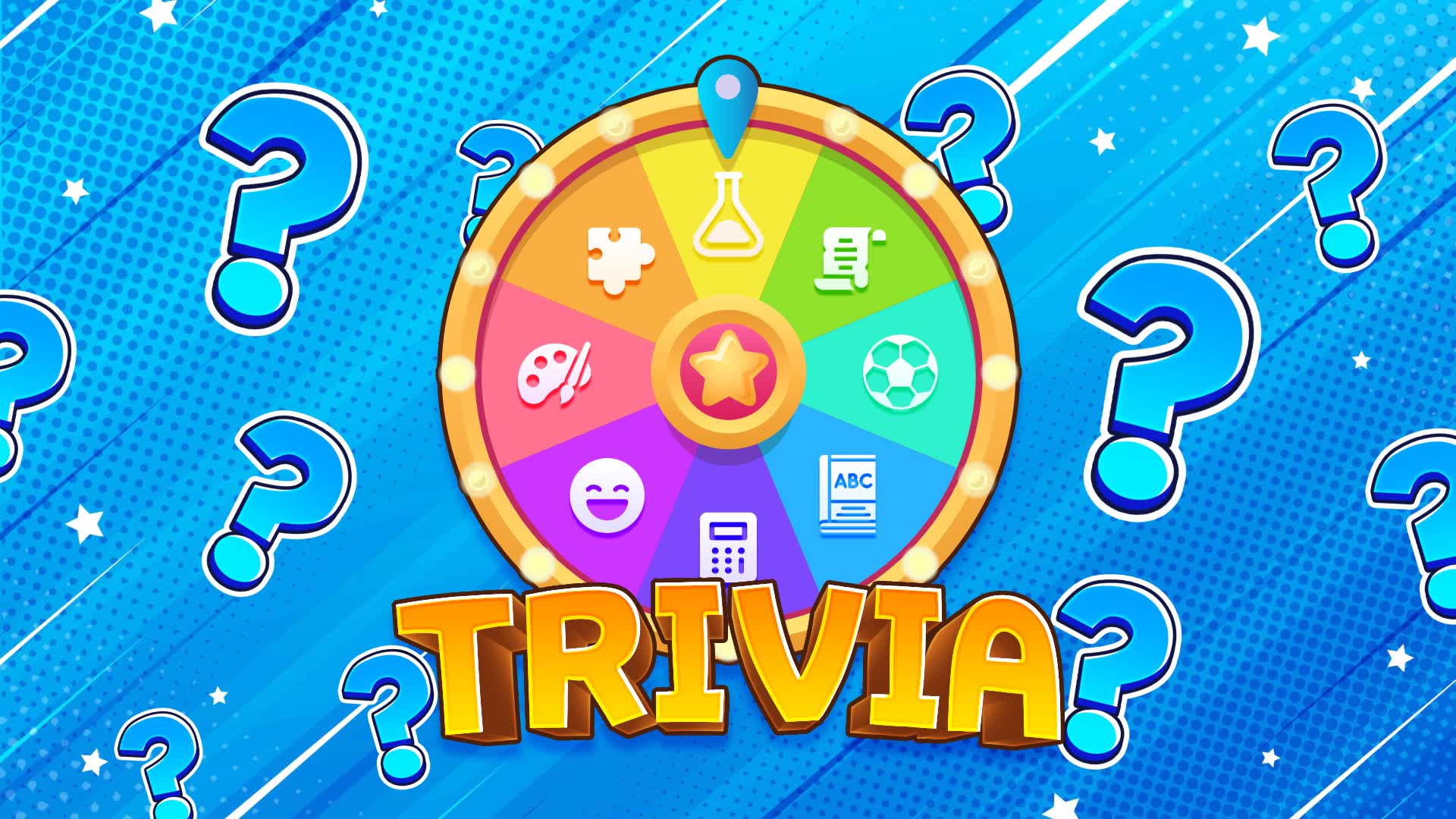
In a world dominated by screens and digital distractions, finding activities that are both entertaining and intellectually stimulating can be a challenge. Trivia games have emerged as a popular option for people of all ages, offering a unique blend of fun, learning, and social engagement. Whether played at home, online, or in competitive settings, trivia games provide far more than just a way to pass the time.
Boosting Cognitive Skills
One of the most significant benefits of trivia games is their ability to enhance cognitive abilities. These games require players to recall information quickly, which strengthens memory and improves mental agility. Regular participation in trivia challenges helps sharpen both short-term and long-term memory, as players are often required to retrieve facts from a variety of categories, including history, science, literature, and pop culture.
Moreover, trivia games encourage critical thinking and problem-solving skills. Players learn to analyze questions, make connections between seemingly unrelated pieces of information, and think strategically about their answers. This mental exercise can improve overall brain function and keep the mind alert, which is especially valuable for older adults seeking to maintain cognitive health.
Learning in a Fun Way
Trivia games are an excellent way to learn new information without the pressure of traditional educational settings. Each question serves as a mini-lesson, often sparking curiosity about subjects players may not have explored before. For instance, a single question about space exploration might inspire someone to research more about astronomy or science.
The learning aspect of trivia games extends beyond mere facts. These games often involve understanding patterns, cultural references, and historical contexts. This holistic learning approach makes trivia games an engaging educational tool, suitable for students, professionals, and lifelong learners alike.
Enhancing Social Connections
Another compelling reason to play trivia games is their social benefits. Many trivia games are designed for groups, whether in person at a pub quiz night or online with friends and strangers from around the world. Participating in these games encourages collaboration, teamwork, and communication, as players often discuss possible answers and share knowledge.
Social interaction in trivia games also helps reduce stress and combat feelings of isolation. Engaging in friendly competition creates a sense of community and belonging. This can be particularly beneficial in online settings, where players from different countries can connect over shared interests and experiences. Trivia games, therefore, act as a bridge, bringing people together through fun and intellectual challenge.
Improving Focus and Concentration
Trivia games demand attention to detail, concentration, and quick thinking. Players must process questions rapidly and decide on answers under time constraints, which can significantly improve focus and mental stamina. Over time, these skills can translate into better performance in academic, professional, and personal tasks.
The fast-paced nature of many trivia games also trains the brain to filter out distractions, prioritize relevant information, and make swift, informed decisions. This heightened level of concentration can enhance productivity and efficiency in everyday life, making trivia games a valuable exercise for mental discipline.
Encouraging Healthy Competition
Competition is a natural motivator, and trivia games offer a safe and enjoyable environment to challenge oneself and others. Competing in trivia encourages players to push their limits, improve their knowledge base, and strive for personal bests. Unlike more aggressive forms of competition, trivia games emphasize learning and personal growth over winning, promoting a healthy mindset towards achievement.
Additionally, participating in tournaments or online leaderboards can provide a sense of accomplishment and recognition. Even friendly matches can boost self-esteem as players see their knowledge and skills improve over time. This combination of fun and motivation makes trivia games a rewarding pastime.
Adaptability for All Ages
One of the unique advantages of trivia games is their versatility. They can be adapted to suit different age groups, skill levels, and interests. Children can enjoy simpler questions that teach basic facts and reasoning, while adults can tackle complex categories requiring deeper knowledge and analytical skills. Trivia games can also be customized to reflect specific themes, such as movies, geography, or science, ensuring that everyone finds something enjoyable and challenging.
This adaptability makes trivia games suitable for family gatherings, classroom activities, corporate team-building exercises, and social events. No matter the setting, trivia games create an inclusive environment where everyone can participate and benefit.
Reducing Stress and Promoting Mental Wellness
Engaging in trivia games can also provide mental health benefits. Playing these games offers a break from routine stressors, allowing players to focus on enjoyment and mental stimulation. The combination of fun, challenge, and social interaction can boost mood and reduce anxiety.
Moreover, the sense of achievement that comes from answering correctly or winning a game releases dopamine, the brain’s “feel-good” chemical. Regular participation in trivia games can contribute to improved mental wellness, providing a positive outlet for relaxation and mental engagement.
Access and Convenience
With the rise of digital platforms, trivia games are more accessible than ever. Online trivia games allow players to compete from anywhere, at any time, using smartphones, tablets, or computers. Many apps and websites offer free trivia games in a wide range of categories, making it easy to incorporate this activity into daily life.
The convenience of online trivia games also encourages consistent participation. Whether during a short break, a commute, or a dedicated gaming session, players can enjoy the cognitive, social, and emotional benefits of trivia games without significant time commitments.
Conclusion
The benefits of playing trivia games go far beyond simple entertainment. These games enhance cognitive abilities, promote learning, strengthen social connections, improve focus, and encourage healthy competition. They are adaptable for all ages and skill levels and contribute positively to mental wellness.
Whether you are seeking a fun way to learn, connect with others, or challenge your mind, trivia games offer a rewarding and enjoyable experience. By joining the fun, you not only expand your knowledge but also engage in a meaningful activity that supports mental agility, social interaction, and personal growth. Trivia games are more than just a pastime—they are a gateway to lifelong learning, connection, and fun.
Engaging in trivia games today might be the smartest—and most enjoyable—decision you make for your mind and your social life.